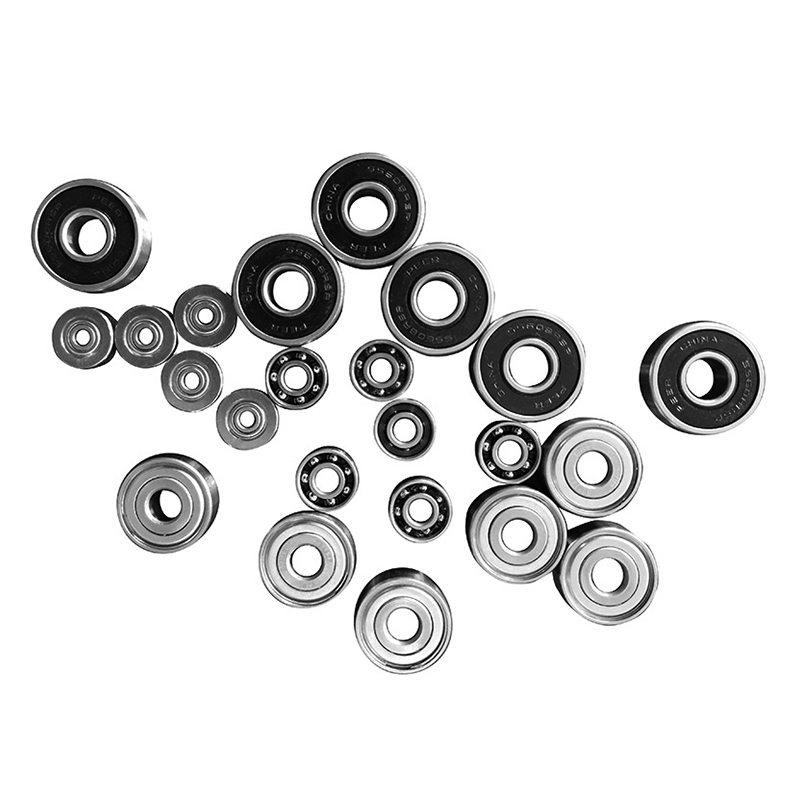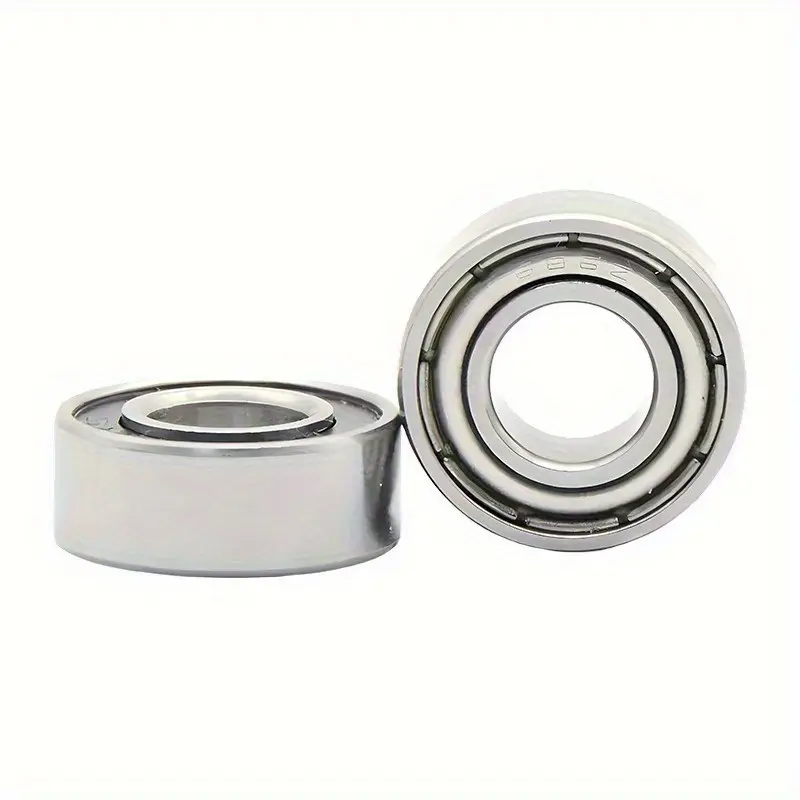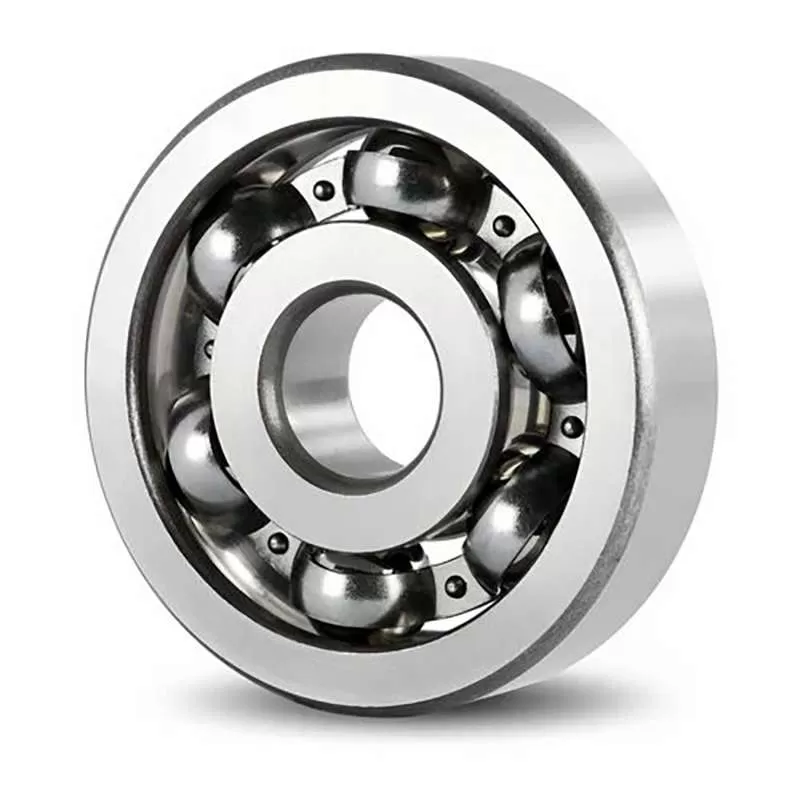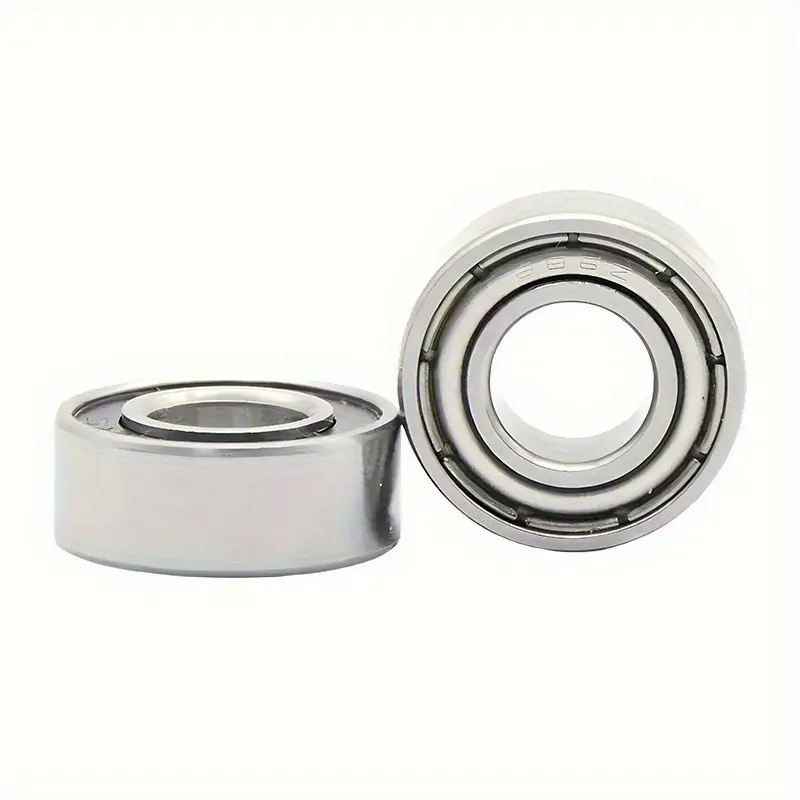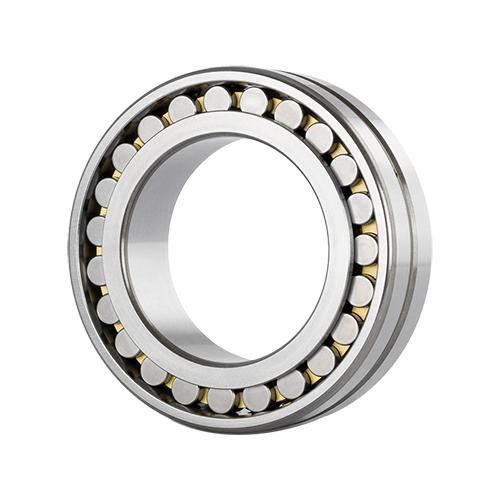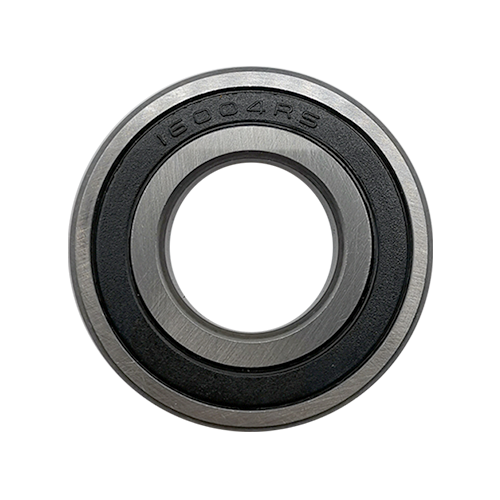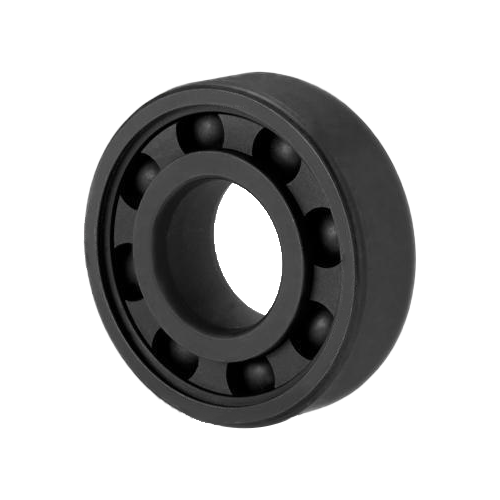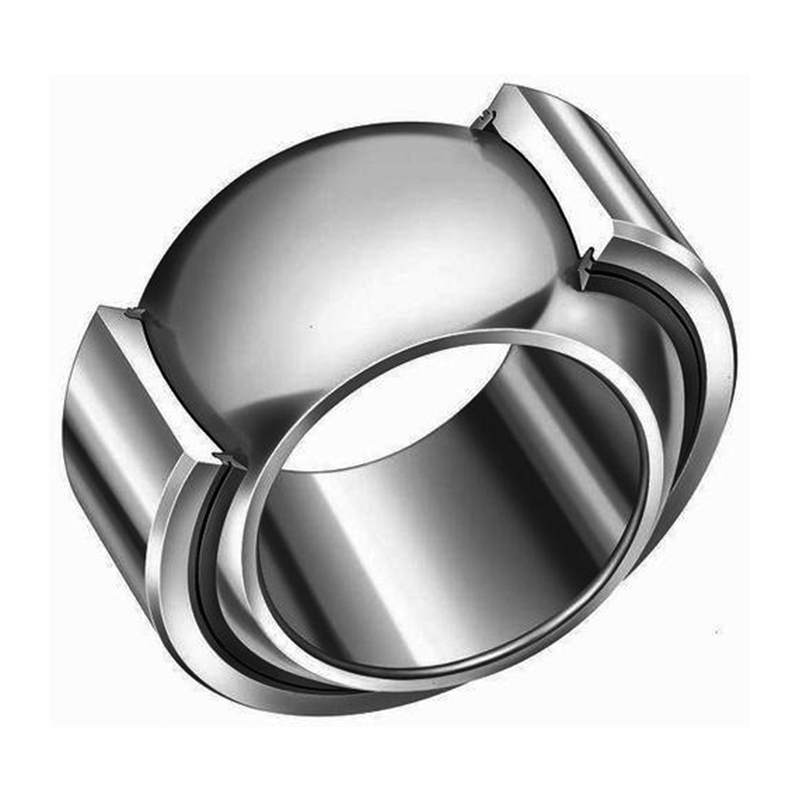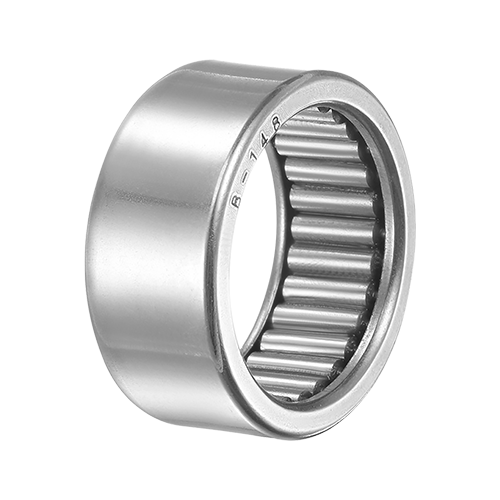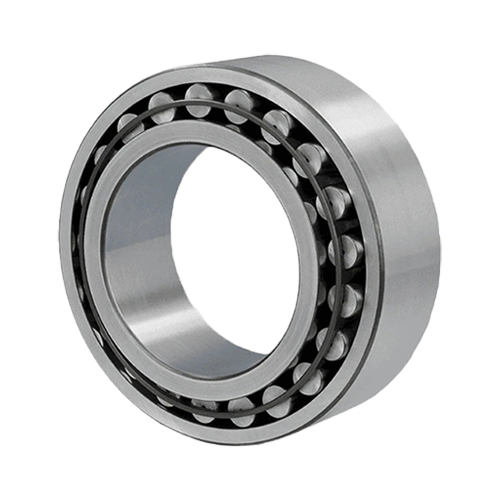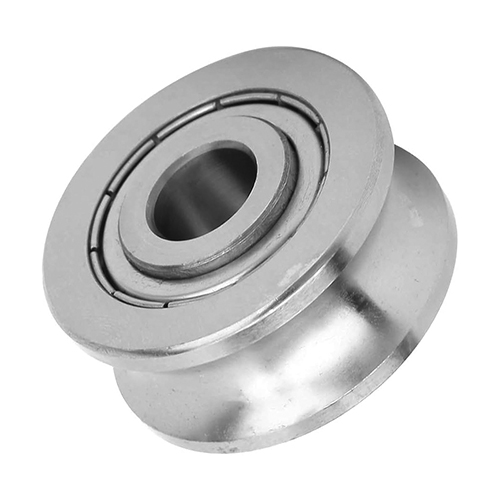
Guide Roller Bearings with V, U, G, and W Grooves are precision track-following bearings designed to run on guide rails, cables, wire ropes, or profiled tracks. The specific groove geometry determines the bearing's application, load characteristics, and mating profile compatibility.
Guide Roller Bearings
Characteristics: Flanged or stud-type outer ring; eccentric stud option for backlash adjustment; grooved outer diameter (e.g., V‑groove, U‑groove, or custom profile) for guiding along rails, cables, or cam tracks; crowned or profiled groove base to reduce edge loading.
Advantages:
· Lifetime: The precision‑ground groove distributes contact stress evenly, reducing wear by 3× compared to standard plain cam followers in linear guide systems (e.g., automated pallet racks, cable pulleys).
· Speed: Grooved rollers allow continuous operation at 8,000 rpm vs. 5,000 rpm for standard crowned rollers, thanks to controlled ball‑raceway contact and reduced skidding.
· Specifics: Eliminates the need for separate rail profiling; the bearing itself provides the track geometry. Handles misalignment up to 1.5° without edge contact.
· Application/Industry: Linear motion guides, conveyor rollers, cable guidance systems, automated storage and retrieval systems (ASRS), and agricultural track rollers.
Technical ceiling:
· Radial runout (outer groove to bore): <8 µm.
· Groove profile tolerance: ±5 µm (full contour measuring).
· Maximum static load: 25 kN for 52 mm OD.
· Limiting speed: 8,000 rpm with grease (grooved design reduces lubricant flick‑off).
· Groove hardness: 58-62 HRC (induction hardened).
Cautions:
· Standard plain cam followers without grooves cannot provide lateral guidance - they will derail from V‑grooved tracks.
· The mating rail must exactly match the groove angle (e.g., 90° V‑groove requires a 90° rail tip). Even 2° mismatch halves contact area and life.
· Grooved outer rings are more sensitive to contamination; use double‑lip seals or a wiper attachment.
· Eccentric stud versions require careful phase alignment – standard eccentric bearings do not have a profiled groove and will jam.
· Do not replace a crowned roller with a grooved one in applications needing self‑alignment (e.g., uneven rail beds).